
Pharmaceutical temperature mapping helps characterize temperature distribution within storage areas and temperature-controlled units used for pharmaceuticals, biologics, clinical trial materials, and other temperature-sensitive products. SOKOL GxP provides risk-based temperature mapping studies for pharmaceutical manufacturers, biotech companies, distributors, clinical trial organizations, and laboratories.
Our studies help organizations understand temperature performance, identify hot and cold spots, support qualification and monitoring strategies, and maintain documented evidence for their quality systems.
What Is Pharmaceutical Temperature Mapping?
Pharmaceutical temperature mapping is a documented study used to characterize temperature distribution throughout a storage area or temperature-controlled unit and determine whether conditions remain within defined acceptance criteria.
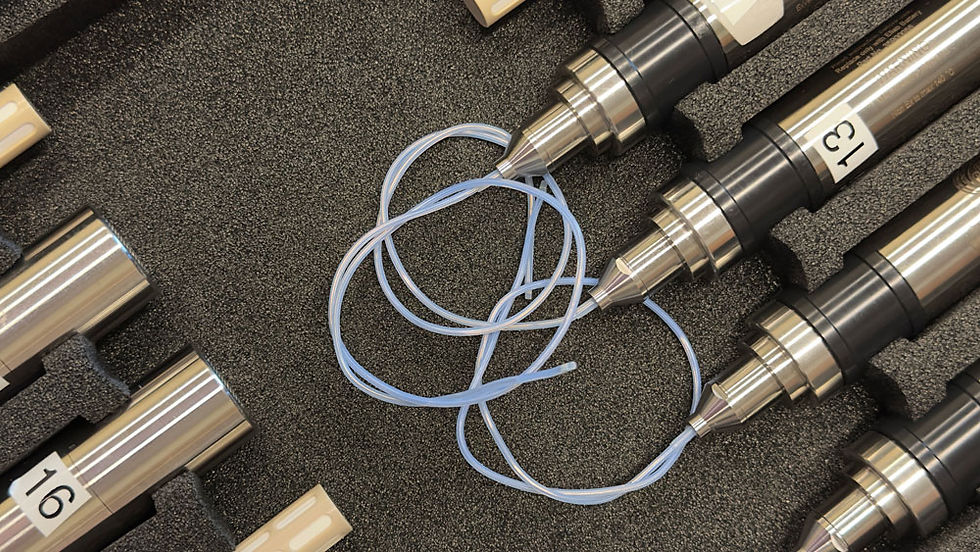
Calibrated data loggers are strategically positioned throughout the environment to collect temperature data over a defined study period. The results identify temperature variations, hot and cold spots, temperature gradients, and areas that require additional monitoring or investigation.
Temperature mapping characterizes the performance of a storage environment, while temperature monitoring provides ongoing oversight of conditions within that environment.
Learn more about our Temperature Mapping & CTU Qualification Services.

Why Temperature Mapping Is Critical for Pharmaceutical Products
Temperature-sensitive pharmaceutical products require controlled storage conditions to maintain their quality and stability. Temperature mapping provides documented data about how conditions vary throughout a storage environment.
Protecting Product Stability and Quality
Inappropriate storage conditions can affect pharmaceuticals, biologics, vaccines, and other temperature-sensitive materials. Mapping helps determine whether temperature remains consistent throughout storage areas and identifies locations that require additional attention.
Supporting Regulatory and Inspection Readiness
Documented mapping studies form part of many qualification and environmental control programs. A structured study provides traceable data, defined methodology, documented results, and recommendations that support quality reviews and regulatory inspections.
Identifying Temperature Excursion Risks
Temperature mapping identifies hot spots, cold spots, temperature gradients, and other variations within a controlled environment. These findings can inform storage configuration, monitoring probe placement, alarm strategies, and temperature excursion investigations.

Regulatory Expectations for Pharmaceutical Temperature Mapping
Pharmaceutical temperature mapping is supported by regulatory requirements and industry guidance covering storage conditions, qualification, monitoring, and distribution. The specific study design should reflect the applicable requirements, intended use of the environment, and the organization's quality system.
USP <1079> and Related Temperature-Control Guidance
USP guidance addresses temperature-controlled storage and distribution and provides recommendations for maintaining appropriate environmental conditions for pharmaceutical products. Temperature mapping and monitoring strategies should align with the specific storage application and applicable requirements.
21 CFR Part 211
For pharmaceutical operations subject to U.S. FDA requirements, 21 CFR Part 211 establishes requirements for appropriate storage and handling conditions for drug products. Temperature mapping provides documented information about the performance of temperature-controlled storage environments as part of a broader qualification and quality program.
EU Good Distribution Practice Guidelines
EU Good Distribution Practice (GDP) guidelines address temperature-controlled storage and distribution of medicinal products. They require temperature mapping before use and after significant modifications to storage areas or equipment that could affect temperature conditions.
Other Industry Guidance
WHO, ISPE, and Health Canada publications provide additional guidance relevant to temperature-controlled storage, qualification, mapping, and monitoring. SOKOL designs studies around the guidance and requirements relevant to each project and the client's internal quality system.
Pharmaceutical Storage Environments We Map
For warehouse-specific applications, see our Warehouse Temperature Mapping services.
Our Pharmaceutical Temperature Mapping Services
SOKOL provides pharmaceutical temperature mapping services for a range of storage environments and qualification requirements, including:
Initial temperature mapping and qualification
Establish baseline temperature conditions for new or existing storage areas.
Empty and loaded mapping studies
Evaluate temperature distribution under different storage conditions.
Seasonal temperature mapping
Assess temperature conditions across seasonal operating conditions.
Door-open, power-loss, and recovery testing
Evaluate temperature response during controlled disruption scenarios.
Redundant system switchover testing
Verify temperature control when backup or redundant systems take over.
Probe placement and sensor configuration
Position sensors based on the storage environment and study protocol.
Alarm testing and verification
Evaluate temperature alarm response and setpoints.
Storage boundary mapping
Assess temperature conditions across the defined storage area.
Temperature excursion investigations
Identify temperature variations and potential problem areas following an excursion.
Requalification studies
Repeat mapping following changes or at defined intervals to confirm continued temperature control.
How a Pharmaceutical Temperature Mapping Study Works
Risk Assessment and Study Design
SOKOL begins by reviewing the environment, intended use, storage requirements, equipment configuration, loading patterns, and operational conditions. These factors establish the study scope, sensor locations, duration, and acceptance criteria.
Protocol Development and Approval
The study protocol defines the methodology, sensor locations, study conditions, duration, acceptance criteria, and data-analysis requirements before data collection begins.
Sensor Placement
Sensors are positioned throughout the mapped space based on the study protocol and the characteristics of the storage environment. Placement identifies temperature variation across the space and helps determine areas that require further investigation.
SOKOL uses NIST-traceable calibrated sensors and wired and wireless temperature mapping systems, and can work with client-owned mapping equipment or provide its own.
Study Execution
Data is collected over the defined study period under the conditions established in the approved protocol. Studies can incorporate normal operating conditions, empty or loaded states, seasonal conditions, door-opening challenges, and power interruption and recovery.
Data Analysis
SOKOL analyzes the collected data to identify maximum and minimum temperatures, temperature uniformity, hot and cold spots, trends, fluctuations, excursions, and Mean Kinetic Temperature where applicable.
Final Report and Recommendations
The final report documents the study methodology, data, analysis, results, deviations, and conclusions. Recommendations can address monitoring probe locations, storage boundaries, alarm strategies, operating practices, and additional qualification activities.
Why Pharmaceutical Companies Choose SOKOL GxP
Pharmaceutical, biotech and CGT experience
Experience supporting temperature-controlled environments across pharmaceutical and life sciences applications.
Risk-based methodologies
Studies designed around the environment, intended use, operating conditions, and project risks.
Inspection-ready documentation
Structured protocols, data analysis, reports, and recommendations that support qualification and quality processes.
ISO 9001:2015 quality management system
Consistent, documented processes supporting quality across projects.
Flexible project execution
SOKOL can work within established client procedures or develop a study methodology around project requirements.
WHERE WE WORK
Pharmaceutical Temperature Mapping Across the Northeast and Mid-Atlantic
SOKOL provides pharmaceutical temperature mapping and qualification services throughout the Northeast and Mid-Atlantic, supporting pharmaceutical manufacturing, biotechnology, distribution, laboratory, and clinical trial environments.
Our service area includes:
Pennsylvania
New Jersey
New York
Maryland
Washington, DC
Massachusetts
Virginia
Multi-region (on request)
